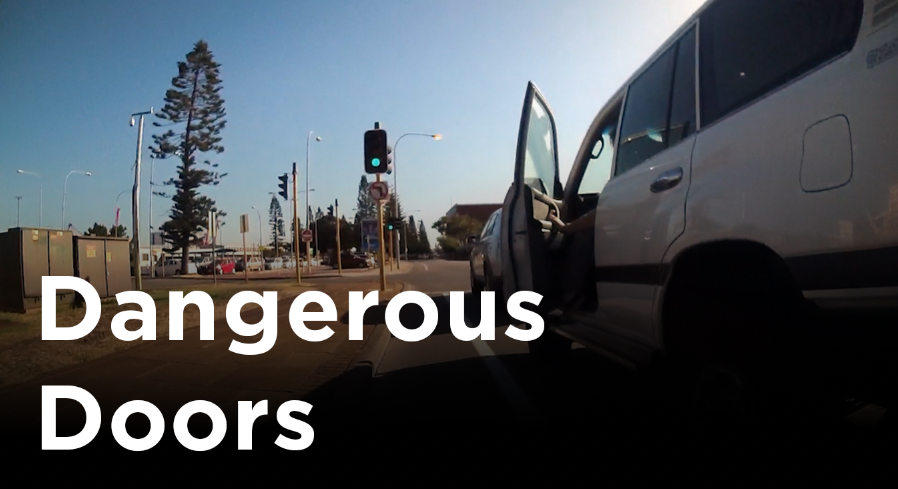


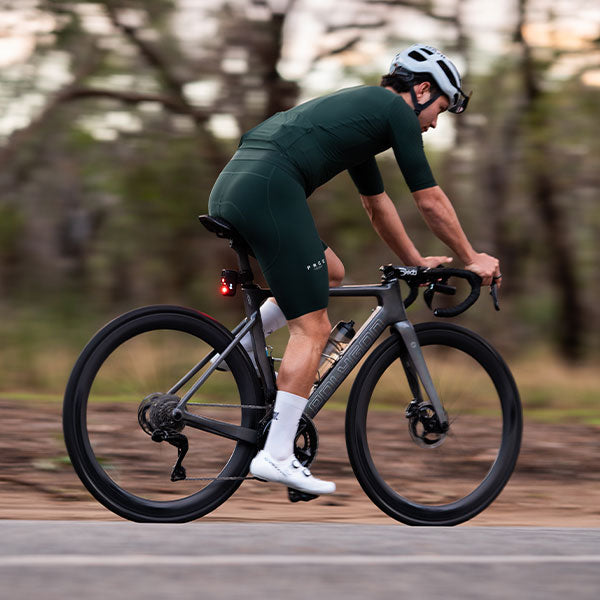





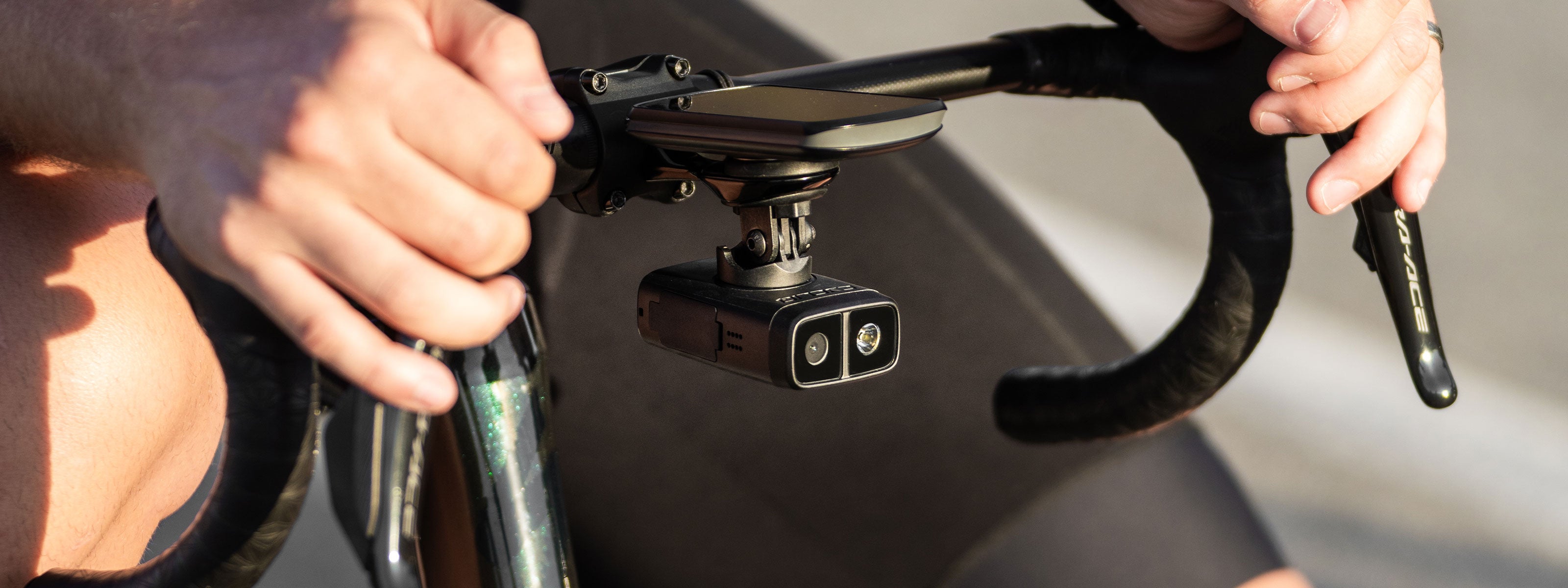
If you ride with a camera, you’re already doing one of the most important things a cyclist can do to protect themselves. The next step is knowing where to report an incident if something happens on the road.
Jump to section
Why Reporting Cycling Incidents Matters
Cycling incidents shouldn’t be ignored, especially when you have clear video evidence. Whether it’s a close pass, dangerous driving, or a more serious road incident, knowing where and how to report it can make a real difference.
This guide breaks down each Australian state and territory, showing cyclists exactly where to submit incident footage and reports to the relevant authorities.
Before You Submit a Report
Most reporting platforms ask for similar information. Having the following ready will make the process easier:
- Date and time of the incident
- Location (street, suburb, or nearby intersection)
- Description of what occurred
- Vehicle details (registration, colour, type)
- Your video footage (unaltered where possible)
For serious incidents or those involving injury, always contact emergency services first.
New South Wales (NSW)
Who to report to:
NSW Crime Stoppers
NSW reporting link here

Victoria (VIC)
Who to report to:
Crime Stoppers Victoria
VIC reporting link here

Queensland (QLD)
Who to report to:
Queensland Police
QLD reporting link here

Western Australia (WA)
Who to report to:
West Australian Police Force (Traffic Complaint Form)
WA reporting link here

South Australia (SA)
Who to report to:
South Australia Police (SAPOL) - Traffic Watch Form
SA reporting link here

Tasmania (TAS)
Who to report to:
Tasmania Police
TAS reporting link here

Australian Capital Territory (ACT)
Who to report to:
ACT Policing
ACT reporting link here

Northern Territory (NT)
Who to report to:
NT Police, Fire and Emergency Services
NT reporting link here

A Final Note on Footage and Follow-Up
Not every report will result in immediate action, but every report contributes to a bigger picture. Consistent reporting helps authorities understand where problems exist and reinforces that unsafe behaviour toward cyclists won’t be ignored.
If your incident is serious or involves injury, always contact emergency services or 000 first.